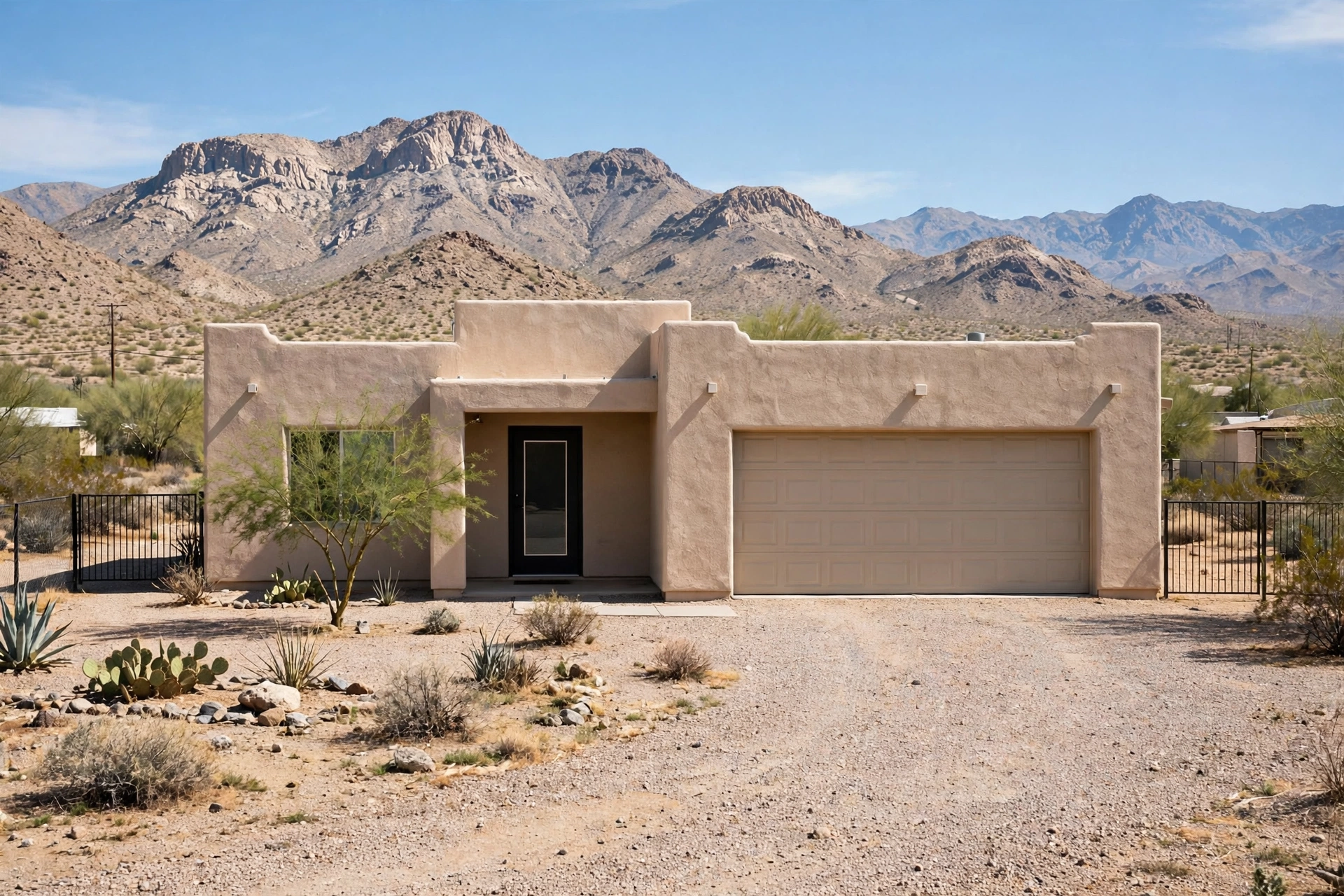
Water Heater Repair in El Mirage, AZ
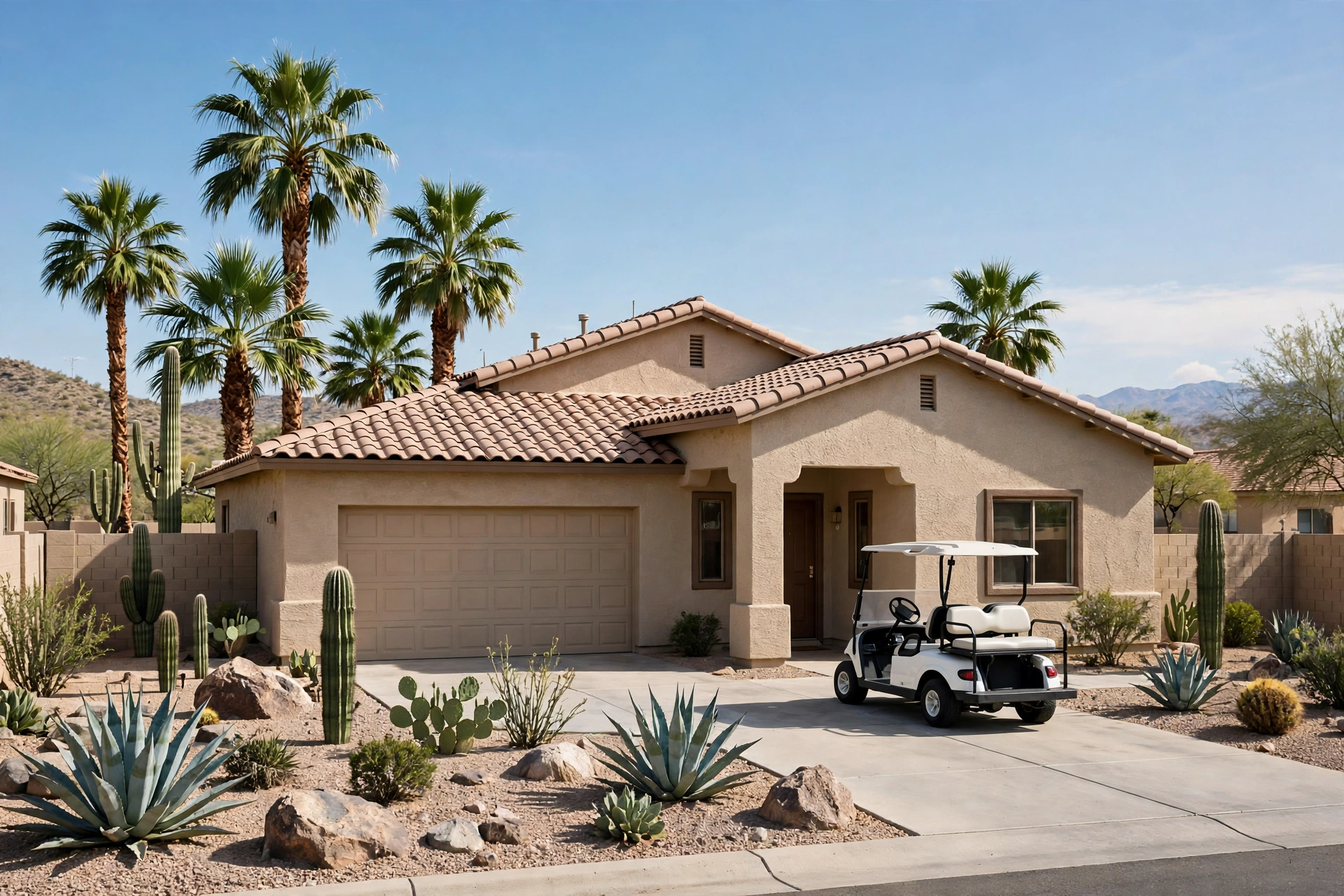
El Mirage is known as the Gateway to the West Valley, and the name fits. The city sits about 16 miles northwest of downtown Phoenix, borders Luke Air Force Base, and grew from agricultural roots after its incorporation in 1951. Grand Avenue, also US 60, cuts diagonally through the north side of town, while Loop 303 gives the west side a fast route north and south. Gateway Park anchors recreation at Thunderbird Road and El Mirage Road, and Bill Gentry Park serves the neighborhoods nearby. Families here live in the Dysart Unified School District, and many households have a connection to the base next door.
Serving El Mirage, AZ 85335
Housing in El Mirage spans two clear eras. The Sunnyvale area holds homes mostly built from 1963 to 1971, and plats near Grand Avenue go back to the mid 1940s, while Rancho El Mirage, Cactus Park Estates, and Pueblo Futuro filled in from the late 1990s through the mid 2000s. Nearly every home sits slab on grade with no basement, so the water heater usually lives in the garage. Valley water commonly runs 15 to 25 grains per gallon of hardness, and a tank in that water often lasts 6 to 10 years. Regular water heater maintenance is what keeps a newer tank from aging before its time, and it is what keeps an older tank honest about how much life it has left.
Grand Avenue Corridor Homes and Their Aging Tanks
The oldest streets in El Mirage run close to Grand Avenue, where small homes went up for farm workers and base families in the decades after the Second World War. Those houses have seen several water heaters come and go, and each replacement leaves its own marks on the pipes, valves, and venting around the unit. A contractor who visits one of these homes starts by reading the whole setup, not just the tank, because a fitting installed during an earlier swap can be the part that finally gives out.
Small lots and compact floor plans mean the water heater often shares garage space with storage, laundry gear, and a workbench. That crowding matters. A tank tucked behind boxes can leak for days before anyone notices the damp concrete, and poor airflow around a gas unit makes burner trouble more likely. Clearing a path to the heater and keeping the area around it open is one of the simplest habits an El Mirage homeowner can keep.
Age shows up in familiar ways in these older homes: rusty water at first draw, a burner that cycles too often, or a tank that rumbles as sediment shifts on the bottom. The signs of water heater failure in older homes deserve attention early, while repair is still a real option. Once a tank wall itself starts to weep, replacement becomes the sensible direction, and planning it beats discovering it at midnight.
Not Sure What Your Water Heater Needs?
Describe the symptoms and request service anywhere in Peoria and the West Valley.
What Hard Water Leaves Behind in El Mirage Tanks
Hard water is not an abstract problem in El Mirage. It is the white crust on the showerhead, the spots on the glassware, and the grit that settles at the bottom of the tank year after year. Calcium and magnesium drop out of heated water and bake onto the tank floor and the heating elements, forming a layer that insulates the water from the heat source. The heater then runs longer to do the same job, and the sediment traps water underneath it that flashes to steam with a popping sound.
The anode rod takes the other half of the punishment. That rod is designed to corrode so the steel tank does not, and in water this hard it can wear down far sooner than homeowners expect. Once the rod is gone, the tank wall becomes the next thing in line, and rust follows. Checking the rod during routine service is a small step that can add real years to a tank, which is why it belongs in every maintenance visit rather than left to chance.
Flushing is the matching habit. Draining sediment from the tank on a steady schedule keeps the bottom clear and lets the contractor see what is coming out of the drain valve, which says a lot about the tank's condition. Homeowners who want the full picture can read about water softeners and anode rods and how softening changes the maintenance rhythm. Softened water still needs attention, just a different kind.
Hot Water Trouble at Home?
Tell us what your unit is doing and request service.
Rancho El Mirage and the Early 2000s Replacement Wave
Rancho El Mirage, bounded by Greenway Road, Thunderbird Road, El Mirage Road, and Dysart Road, filled in mostly from 2000 to 2004. Cactus Park Estates went up around 2002, and Pueblo Futuro followed from 1999 to 2005. That building wave means a large share of El Mirage homes are now on their second water heater, or approaching the end of a first replacement installed a decade or more ago. The pattern is predictable, and it rewards homeowners who track the age of the unit instead of guessing.
These subdivisions hold family homes with two or three bathrooms, which puts real demand on a single tank during the morning rush. Showers, laundry, and the dishwasher often stack up within the same hour, and a tank weakened by sediment cannot recover fast enough to keep the last shower warm. Sizing matters here. A replacement chosen for the household as it lives now, with its actual bathroom count and morning habits, serves far better than a like for like swap chosen without a second thought.
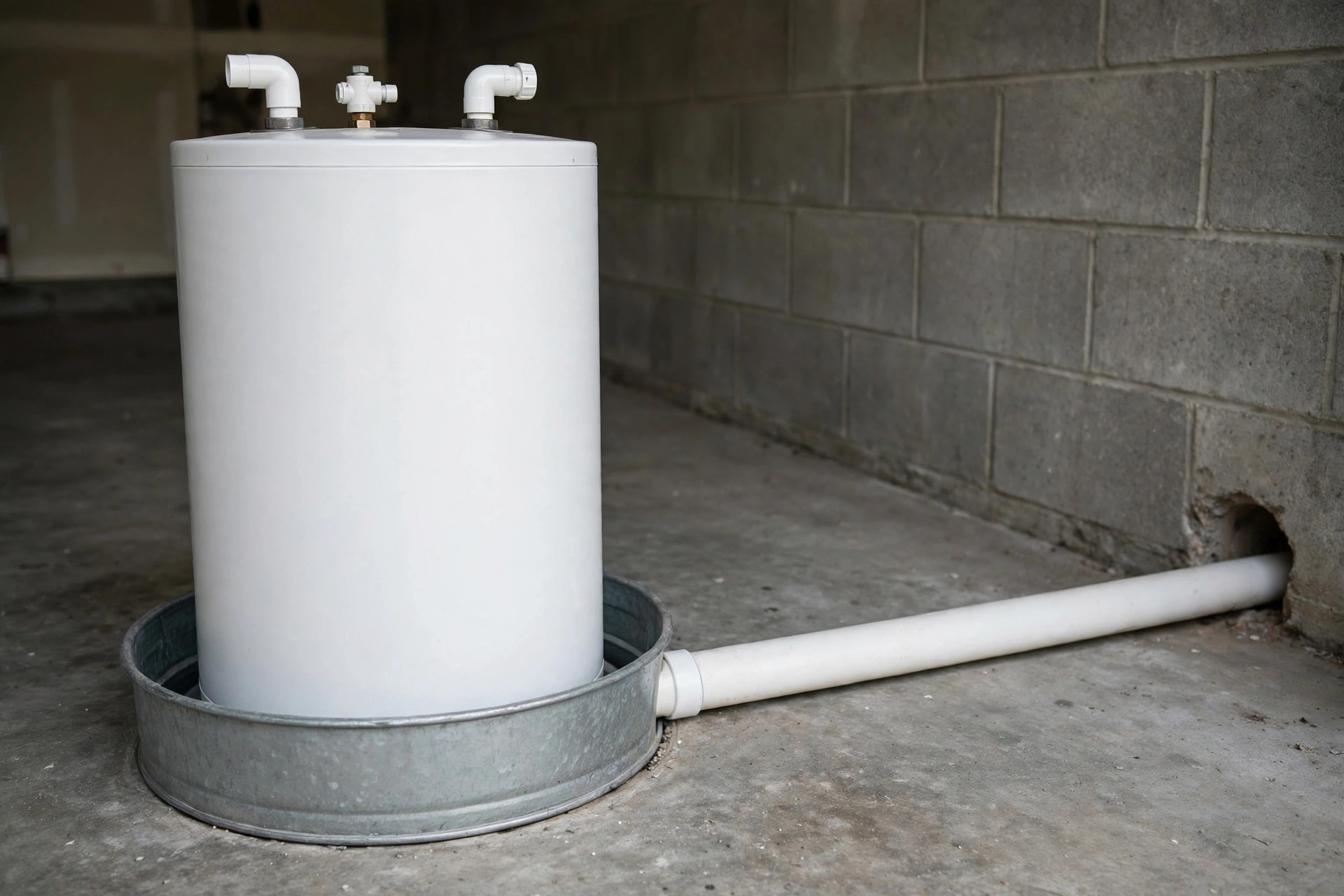
Garage placement in these neighborhoods is standard, with the tank usually standing against a shared wall near the laundry area. That spot keeps pipe runs short to the kitchen and the nearest bathroom, which is good for wait times. It also means a leak lands on concrete near stored belongings, so a drain pan and a working relief valve discharge line earn their keep. A contractor can confirm both during a water heater installation visit and flag anything that needs attention.
Wondering Whether to Repair or Replace?
Request service and get a straight answer about your unit.
Garage Heat Along Thunderbird Road
Summer in El Mirage pushes garage temperatures past 110 degrees, and the water heater sits in that heat for months at a time. The heat itself does not cook a tank from the outside in any dramatic way, but it speeds up every chemical process inside the unit. Sediment bakes harder onto the tank floor, rubber seals age faster, and the relief valve works through more expansion cycles as cold water enters a hot system. A heater that might have lasted longer in a mild climate simply ages faster here.
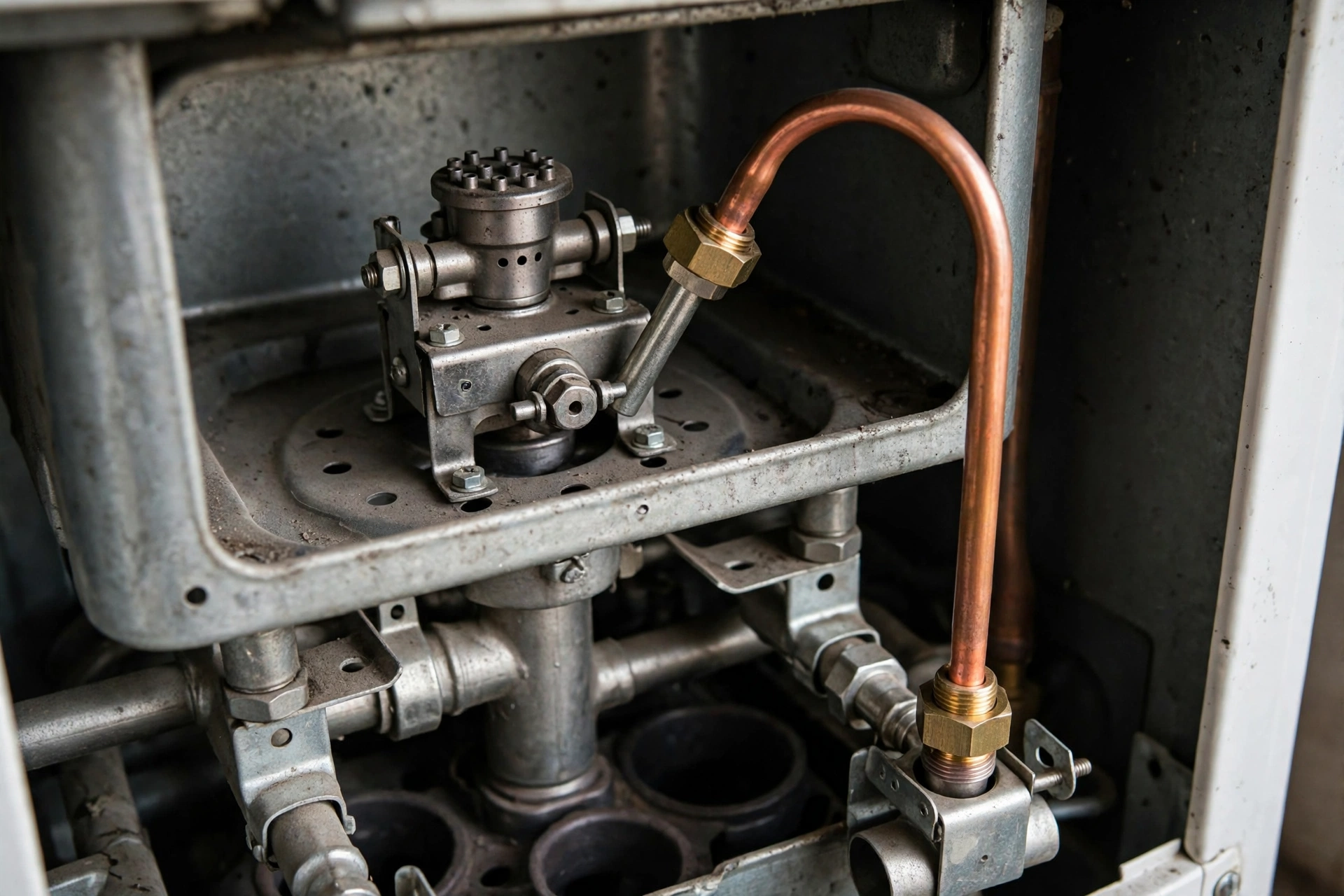
Dust rides in with the summer storms and settles on burner assemblies, vents, and pilot assemblies in gas units. A dusty burner burns less cleanly, and a blocked vent can spill combustion products where they do not belong. Keeping the garage floor swept near the heater and leaving the area around the unit clear helps, and a contractor can clean and inspect the burner and vent path during routine service. Electric units face a simpler version of the same story, with dust and heat wearing on thermostats and wiring connections over time.
The other side of garage heat is that incoming water arrives warm for much of the year, so the heater works less hard to reach temperature in July than it does in January. That seasonal swing can mask a weakening unit. A tank that seems fine in August may show its age on a cool January morning when the whole household showers before work and school. Watching performance across seasons, not just on one good day, gives the truest read on the heater's health.
Related: expansion tank replacement
Seeing Leaks, Rust, or Strange Noises?
Do not wait for a small fault to flood the garage. Request service now.
Signs Your Tank Is Nearing the End in 85335
The nameplate on the side of the tank carries the manufacture date, and that date is the single most useful fact a homeowner can have. A tank past its eighth year in El Mirage water deserves a closer look at every service visit, even if the showers still feel fine. Age alone does not condemn a unit, but age combined with noise, rust, or slow recovery usually means the end is near, and knowing that early leaves room to plan rather than scramble.
Rust colored water that clears after a few seconds often points to the tank itself, especially when only the hot side runs discolored. Rust at the drain valve, around the relief valve, or along the base seam is more serious, because it suggests the steel is thinning from the inside. A damp ring on the concrete that returns after mopping is the clearest warning of all. Small seeps become full leaks without much ceremony, and a garage floor full of water is a miserable way to learn the tank is done.
Sound is the third signal. Popping, rumbling, or kettling noises mean sediment has built up enough to trap water beneath it, and the tank is working harder than it should. A flush sometimes quiets a younger tank, but an older tank that keeps rumbling after service is telling you the sediment has hardened into place. If you spot any of these signs, read up on leaking water heater repair and request service before a small problem soaks the garage.
Planning a New Water Heater?
Request service and talk through sizing, fuel type, and placement.
Tankless Options For Growing Households Near Dysart Road
Tankless units heat water only when a tap opens, so there is no stored tank of hot water sitting in a sweltering garage all day. For a growing household near Dysart Road, where back to back showers and laundry loads stack up, that on demand design can end the argument over who showers last. The trade is maintenance. In water this hard, the heat exchanger scales up steadily, and descaling on a regular schedule is what keeps the unit efficient and willing to fire.
Sizing a tankless unit is about flow rate, not storage. The contractor looks at how many fixtures might run at once, the temperature rise needed on a cold morning, and the gas supply or electrical capacity available at the home. A unit sized for one shower at a time will disappoint a family of five, while a properly sized unit handles the morning rush without a second thought. That conversation happens before installation, not after, and it is worth taking the time to get right.
Retrofitting tankless into a home built for a tank sometimes means new venting and a larger gas line, and the garage layout decides how simple that work is. Homes with the heater on an exterior garage wall usually adapt more easily than homes with the unit buried deep inside. The descaling guide for tankless units in hard water explains what ongoing care looks like, so homeowners can weigh the maintenance commitment with clear eyes. A tankless water heater installation or repair visit starts with that honest sizing and layout conversation.
Want a Second Opinion on Your Unit?
Request service and describe what your water heater is doing.
Leaks, Rust, and Rumbling Noises Worth a Prompt Look
A leak at a fitting is not the same as a leak from the tank, and telling them apart saves homeowners from replacing a unit that only needs a connection tightened or a valve swapped. Water dripping from the relief valve discharge pipe, from the top fittings, or from the drain valve usually traces to a part that can be serviced. Water seeping from the base seam or from the tank wall itself is a different matter, and no repair restores a tank wall that has rusted through.
When water appears, the practical first steps are simple. Shut the cold water valve above the heater to stop fresh water feeding the leak, mop up what has spread, and move stored items away from the wet concrete. For a gas unit, the gas control valve can be turned to the off or pilot position, and for an electric unit the breaker can be switched off. Those steps make the visit safer and keep a small leak from spreading across the garage while help is on the way.
Rumbling deserves the same prompt attention as a visible leak, because it signals sediment that is forcing the heater to overheat its own bottom. Left alone, that overheating stresses the tank and shortens what life remains. Whether the unit runs on gas or electricity, the fix starts with diagnosis: a gas water heater repair visit checks the burner, thermostat, and venting, while an electric water heater repair visit checks elements and thermostats. Either way, the sooner the noise gets a look, the more options remain.
Not Sure What Your Water Heater Needs?
Describe the symptoms and request service anywhere in Peoria and the West Valley.
Planning a Replacement Before the Tank Decides For You
The best replacement is the one planned on a calm weekday, not the one forced by a flooded garage on a holiday weekend. Homeowners who know their tank's age can watch for the early warnings and start the conversation while the old unit still works. That leaves time to compare tank and tankless options, confirm the right size for the household, and schedule the work at a convenient time. A planned swap also lets the contractor check the shutoff valves, the expansion tank, and the discharge line without rushing.
Fuel type usually stays the same, since the home already has the gas line or the electrical circuit in place, but it is still worth discussing. A household that has added a bathroom, taken in family members, or started running the laundry far more often may need more capacity than the original builder installed. The contractor can walk through the household's real patterns and recommend a size that fits how the home lives now, rather than how it lived when the subdivision first opened.
Desert Valley Water Heater Pros connects El Mirage homeowners with independent local plumbing contractors for this exact kind of planning, from a first assessment to a finished installation. Bring the tank's age, a note about the symptoms you have seen, and a sense of how many people shower on a busy morning. That information turns a vague worry into a clear plan, and it helps the contractor arrive with the right unit and the right parts. Request service when you are ready, and keep the garage clear so the visit goes smoothly.
Related: water heater repair in Surprise, water heater repair in Youngtown, water heater maintenance across the West Valley, request service
Hot Water Trouble at Home?
Tell us what your unit is doing and request service.
Water Heater Questions in El Mirage?
Tell us what your unit is doing and where you are, and we will help arrange the next step.
How long does a tank water heater usually last in El Mirage?
In Valley water, a tank water heater often lasts 6 to 10 years, with hard water sediment and garage heat doing most of the damage. A unit that gets flushed regularly and keeps a working anode rod tends to reach the upper end of that range, while a neglected tank can fail sooner. Check the manufacture date on the nameplate, and treat a tank past eight years as a candidate for closer attention at every visit.
Why does my water heater make popping or rumbling sounds?
Those sounds almost always mean sediment has built up on the tank floor. Water trapped under the sediment layer flashes to steam as the burner or element heats it, and that sudden boiling makes the popping and rumbling. A flush can quiet a younger tank, but an older tank with hardened sediment may keep making noise even after service, which is a sign the unit is nearing the end of its useful life.
What should I do if I find water around my water heater?
Shut the cold water valve above the heater first to stop fresh water from feeding the leak, then mop up the water and move stored items away from the wet concrete. For a gas unit, turn the gas control to the off or pilot position, and for an electric unit, switch off the breaker. Note where the water seems to be coming from, then request service and describe what you found so the contractor arrives prepared.
Is a tankless water heater a good fit for an El Mirage home?
It can be, especially for households that run out of stored hot water during busy mornings. Tankless units heat water on demand, so they never run a tank dry, but they need regular descaling in El Mirage water to keep the heat exchanger clear. Sizing depends on how many fixtures run at once, so a contractor should size the unit for your household's real patterns before installation rather than guessing.
How often should a water heater be flushed in the West Valley?
With water this hard, a yearly flush is a sensible baseline for most tanks, and homes with heavy use or very hard water may benefit from more frequent service. Flushing removes sediment before it hardens, and it gives the contractor a look at what is coming out of the drain valve. Pair the flush with an anode rod check, since the rod wears down faster in hard water and protects the tank only while it lasts.
What causes rust colored hot water in an older El Mirage home?
Rust colored hot water usually means the inside of the tank is corroding, especially when the cold water runs clear and only the hot side shows color. The anode rod is meant to take that corrosion instead of the tank wall, and once the rod is spent, the steel starts to rust. A contractor can confirm whether the tank is the source or whether an old fitting is to blame, and that answer decides whether repair or replacement makes sense.
Water Heater Questions in El Mirage, Answered
Not seeing your question? Request service and tell us what your unit is doing.
Request Service
 Hot Water, Handled
Water Heater Repair in El Mirage
El Mirage homes stretch from older blocks near Grand Avenue and the Agua Fria River to newer subdivisions west of El Mirage Road, and both eras deal with the same hard Valley water. Desert Valley Water Heater Pros connects homeowners here with independent local plumbing contractors who repair, replace, and maintain tank and tankless water heaters. If your water turns rusty, runs lukewarm, or pools around the tank in the garage, request service and describe what you noticed so the contractor who visits arrives prepared.