Water Heater Repair in Glendale, AZ
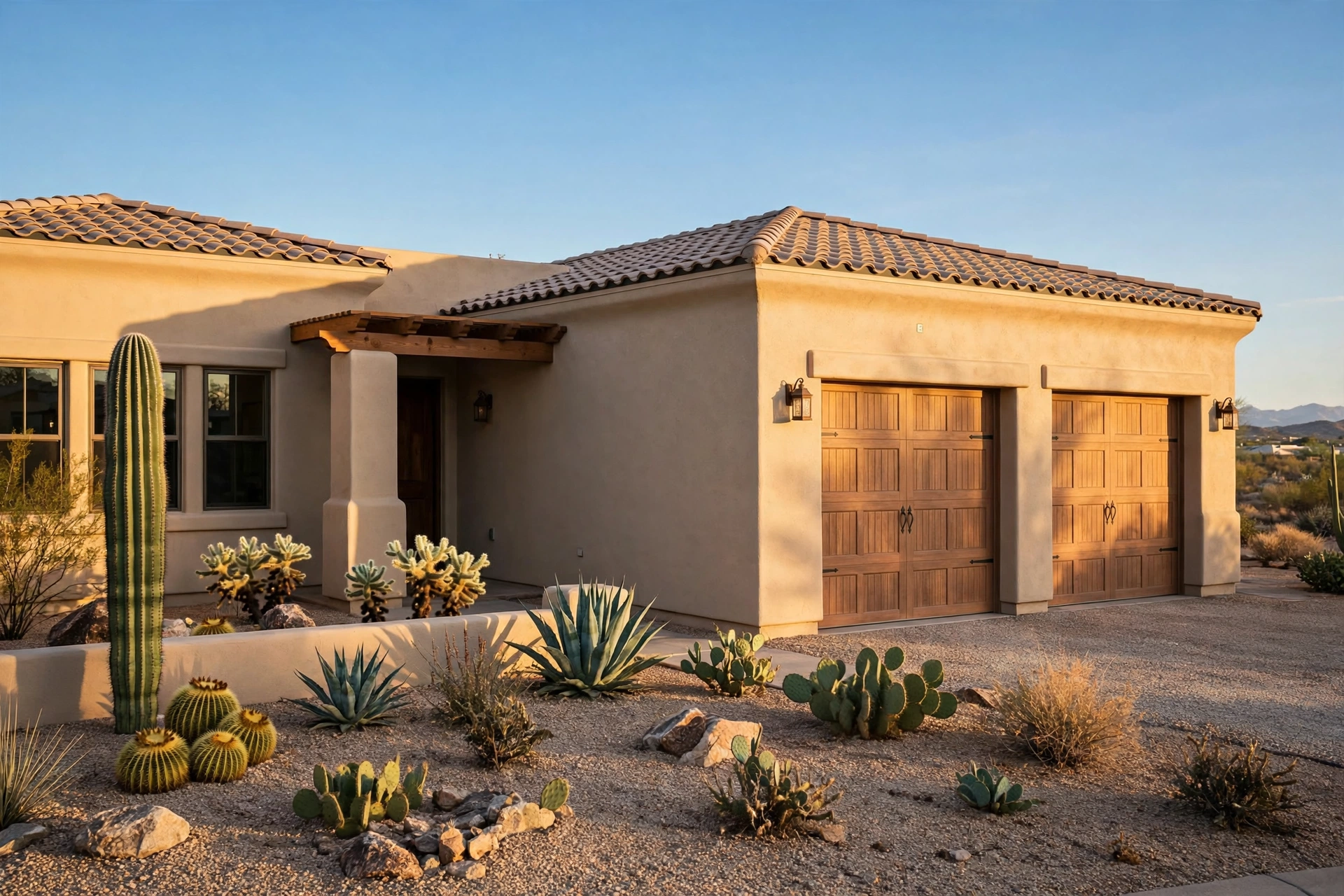
A water heater in Glendale, AZ works in a city with more than one personality. Near Grand Avenue and Historic Downtown Glendale, brick storefronts and the bungalows of Catlin Court sit on streets that date to the early 1900s, while the Westgate Entertainment District and State Farm Stadium anchor a much newer west side along Loop 101. North Glendale feels different again, with lake streets and golf fairways in Arrowhead Ranch and shoppers moving through Arrowhead Towne Center on Bell Road. Desert Valley Water Heater Pros connects homeowners across Peoria and the West Valley with independent local plumbing contractors, so a Glendale household can request service and have a local contractor assess the unit in place.
Serving Glendale, AZ 85301
That mix of housing ages matters because a heater rarely fails in the same way twice. A ranch home from the 1950s or 1960s near Sahuaro Ranch Park may still hold older copper lines and a tank tucked into a tight garage corner, while a 1990s Arrowhead Lakes home may run longer pipe lengths to distant bathrooms and a laundry room. Hard water adds a shared problem across every neighborhood, with mineral scale settling in tanks and coating tankless heat exchangers. This page walks through what Glendale homeowners tend to notice first, how local contractors approach each kind of home, and when repair, maintenance, or replacement makes the most sense for the house in front of them.
Three Eras of Glendale Homes, Three Kinds of Water Heater Work
The oldest Glendale homes cluster around Murphy Park and the Catlin Court Historic District, where most houses date from 1915 to 1930 and many now hold shops, cafes, and small offices alongside residences. Utility spaces in those bungalows tend to be compact, with narrow passages, low garage ceilings, and a heater fitted into whatever corner made sense decades ago. A contractor visiting one of these homes starts by looking at access, clearances, and the path for removing an old tank, because the tightest part of the job is often getting the unit out without scuffing door frames or disturbing older finishes.
A second wave of Glendale housing filled in after the war, with ranch streets from the 1950s and 1960s near Thunderbird Road, Manistee Ranch, and the Sahuaro Ranch area, followed by 1970s and 1980s subdivisions across central Glendale. These are slab homes with no basement in most cases, so the heater usually sits in the garage and the pipe runs travel under the slab or through attic spaces. Tanks in this group have often been replaced more than once, and the telltale signs of age show up in valves that stick, shutoffs that weep, and sediment that has built up through years of very hard water.
North Glendale and the west side tell a newer story, with Arrowhead Ranch developing from the mid 1980s into the 2000s, Arrowhead Lakes building out around man made lakes from the early 1990s, and 2000s subdivisions rising near Westgate and the sports district. Homes in these areas tend to be larger, with more bathrooms, a laundry room farther from the heater, and guests who expect hot water without a long wait. When a tank in one of these houses reaches the end of its useful life, a local contractor can discuss water heater replacement sized for the floor plan rather than a one size answer copied from a smaller home.

Not Sure What Your Water Heater Needs?
Describe the symptoms and request service anywhere in Peoria and the West Valley.
Catlin Court Bungalows and Tight Spaces For a New Tank
Catlin Court began as a bungalow subdivision platted in 1914 and listed on the National Register of Historic Places in 1992, and the streets around it still keep brick sidewalks, mature shade trees, and small lots. Inside, a bungalow may have a single bathroom, a compact kitchen, and a garage that barely fits a car plus storage, which leaves little room to maneuver a tall tank. Homeowners here often notice trouble first as lukewarm showers or a tank that runs out sooner than it used to, because a small household can live with a fading heater for a while before the decline becomes impossible to ignore.
Older supply lines deserve a careful look before any heater decision is made. Early copper and older galvanized lines can narrow with corrosion, and original shutoffs may not close fully when a contractor needs to isolate the tank. A damp spot on a slab floor, a musty smell near a wall, or a water bill pattern that shifts without a change in habits can point to a slow leak nearby rather than a heater fault alone. Sorting out which part of the system is actually failing saves a household from replacing a tank while a separate leak keeps damaging the floor.
Sizing for a bungalow is about fit as much as hot water output. A shorter tank may suit a low garage ceiling, while a tankless unit mounted on a wall can open up floor space but needs a clear look at fuel type, venting path, and the distance to fixtures. A local contractor measures the space, checks the existing connections, and talks through how the household uses hot water on an ordinary morning. For homes where the old unit cannot stay in service, water heater installation planning starts with those measurements, not with a guess about what might fit through the door.
Hot Water Trouble at Home?
Tell us what your unit is doing and request service.
Arrowhead Ranch Lakes, Larger Homes, and Longer Hot Water Runs
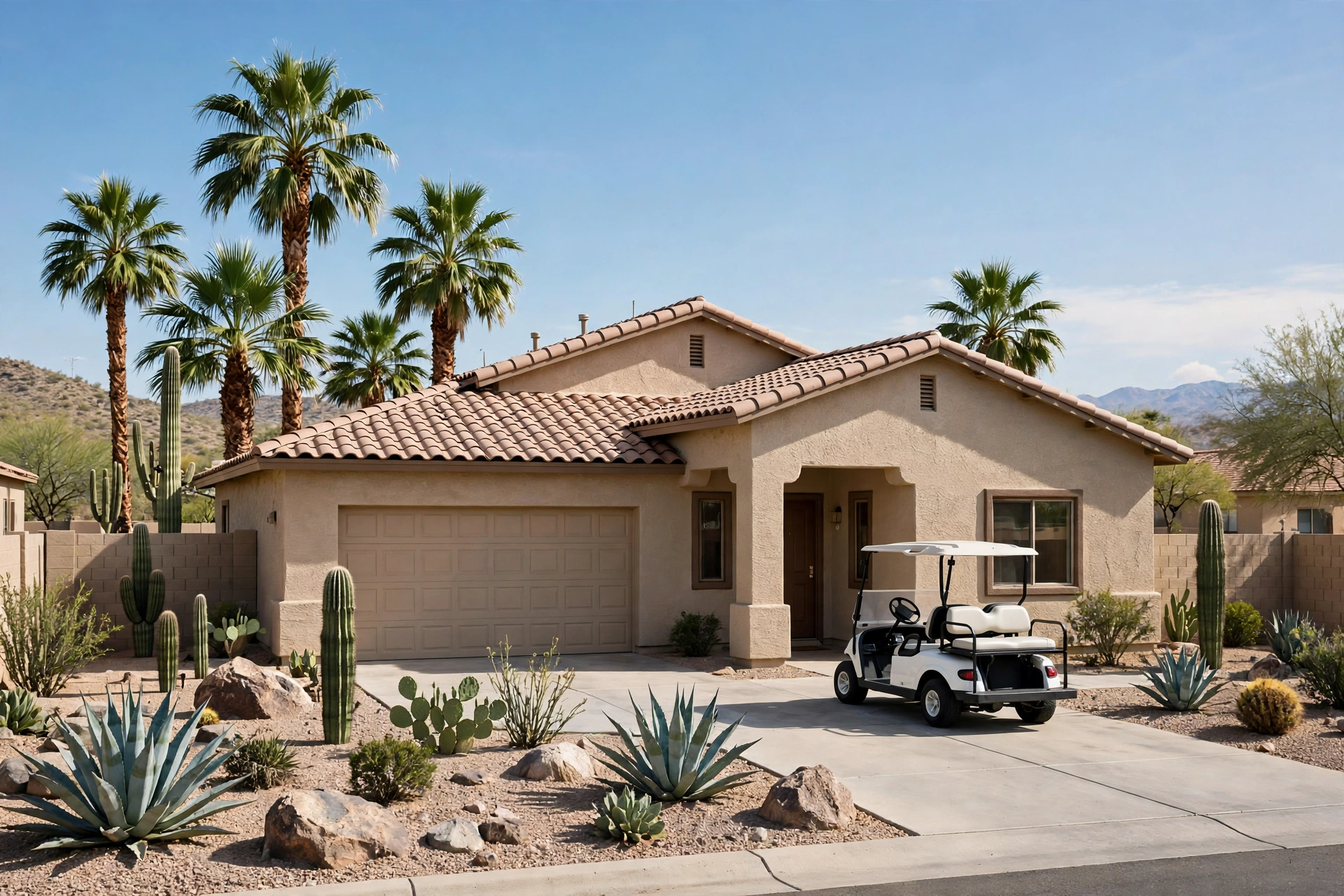
Arrowhead Ranch straddles the Glendale and Peoria border, with lakes, golf fairways, palm lined streets, and homes built mainly from the mid 1980s through the early 2010s. Arrowhead Lakes, the lakefront section inside the larger master plan, added larger lots and waterfront streets from the early 1990s into the mid 2000s. A household here may have three or four bathrooms spread across a single level or two levels, plus a kitchen and laundry room that pull hot water at the same time in the morning. That layout puts a premium on a heater that can recover steadily rather than one that simply holds a large volume.
Distance is the quiet problem in a larger Arrowhead home. Hot water traveling a long way through pipes loses heat along the way, so a bathroom at the far end of the house may wait noticeably longer for hot water than a bathroom near the garage. Homeowners sometimes blame the tank when the real issue is pipe length, pipe routing, or a recirculation setup that no longer matches how the family lives. A contractor can trace the run, check insulation on exposed pipe, and discuss whether a recirculation approach fits the layout and the way the household uses each bathroom.
Hard water wear shows up faster when a larger tank serves a busy household. Sediment settles at the bottom of the tank, heating elements or burners work harder to push heat through that layer, and the anode rod sacrifices itself to slow tank corrosion. Flushing the tank and checking the anode rod on a regular rhythm helps a contractor spot decline early, before rust colored water or a leak at the base forces a hurried decision. Routine water heater maintenance visits also give a homeowner a clear record of the tank age, condition, and any change since the prior visit.
Related: Recirculation Pumps for Large West Valley Homes, Sizing a Water Heater for a Large Household
Wondering Whether to Repair or Replace?
Request service and get a straight answer about your unit.
Westgate Weekends, Guest Rooms, and Sudden Demand For Hot Water
State Farm Stadium has been home to the Arizona Cardinals since 2006 and has hosted the Super Bowl, the Fiesta Bowl, and major concerts, with the Westgate Entertainment District filling in around it with restaurants, shops, and a fountain plaza. Desert Diamond Arena sits nearby, and the whole district draws crowds on game days and concert nights. For households in the subdivisions around 91st Avenue and Loop 101, event weekends often mean full guest rooms, extra laundry, and a kitchen running longer hours. A heater that copes fine with two people can suddenly face four showers before noon plus dishes and towels.
That surge exposes weak recovery more clearly than an ordinary weekday does. A tank with heavy sediment heats slowly, so the second or third shower turns lukewarm even though the first felt fine. A tankless unit with scale on the heat exchanger may cycle, hesitate, or deliver uneven temperatures when two fixtures open at once. Households that host often benefit from thinking about peak demand rather than average demand, including how many bathrooms might run together when visitors stay over. The sizing discussion in sizing a water heater for a large household walks through the same peak use questions a contractor asks on site.
Planning ahead of a busy season beats discovering a weak heater with guests already in the house. A homeowner can note the tank age from the data plate, listen for rumbling during a heating cycle, and watch for rust tinted water at a hot tap. If the unit is near the end of the 6 to 10 year range common for tanks in Arizona, a conversation about repair versus replacement can happen calmly, with time to measure the space and confirm fuel and venting details. Waiting until a leak appears removes that breathing room and turns a planned change into a rushed one.
Seeing Leaks, Rust, or Strange Noises?
Do not wait for a small fault to flood the garage. Request service now.
Sahuaro Ranch Park Streets and Mid Century Ranch Plumbing
Sahuaro Ranch Park preserves a former 1890s citrus ranch off 59th Avenue, with original ranch buildings, orchards, a rose garden, picnic ramadas, and peacocks roaming the grounds. The neighborhoods around the park and along Thunderbird Road mix 1950s and 1960s custom single level homes on larger lots with 1970s and 1980s subdivisions that filled in later. Many of these houses keep mature trees, wide driveways, and garages that have collected decades of storage around the heater. Clearing a path to the unit before a visit helps a contractor see valves, connections, and the floor beneath the tank without moving boxes twice.
Mid century plumbing in this part of Glendale often means copper supply lines that have served for generations, with age showing as pinhole leaks, green staining at joints, or damp drywall near a bathroom wall. Hard water adds scale inside the tank at the same time, so a household may face two slow problems at once: a tank losing efficiency and pipes narrowing or weakening. A careful assessment looks at the whole picture, including water pressure behavior, the condition of the shutoff valves, and any sign of moisture at the tank base, rather than treating the heater as if it sat apart from the rest of the house.
Expansion tanks and relief valves matter more than most homeowners expect in these older ranch homes. As water heats and expands, pressure needs somewhere safe to go, and a failed expansion tank can show up as dripping at the relief valve, short cycling, or pressure swings at fixtures. A contractor checks the expansion tank charge and condition alongside the heater itself, because replacing a tank while leaving a failed expansion tank in place invites a repeat visit. Households dealing with relief valve drips can learn more through expansion tank replacement and how it fits into a full heater assessment.
Planning a New Water Heater?
Request service and talk through sizing, fuel type, and placement.
Grand Avenue Corridors and Older Supply Lines Under Slab Floors
Grand Avenue runs diagonally northwest out of Phoenix as US 60, shaping the older grid around downtown Glendale, Murphy Park, and Glendale Avenue. Homes and small businesses along this corridor often date to the early townsite era or the postwar decades, with slab floors, attached garages, and pipe runs that disappear under concrete. When a leak develops under a slab, the signs can be subtle at first: a warm patch on the floor, a faint sound of running water when no fixture is open, or dampness creeping along a baseboard. Homeowners who notice one of those signs should request service promptly rather than waiting to see if it fades on its own.
Slab leaks near a heater line can look like heater trouble, and heater trouble can look like a slab leak, so telling them apart takes a methodical check. A contractor looks at the tank base, the inlet and outlet connections, the relief valve discharge, and the floor around the unit before drawing conclusions about pipes under the slab. Visible corrosion, mineral crust at a joint, or a puddle that returns after mopping points toward the heater or its connections. A warm floor patch farther from the garage, with a dry tank base, points the search elsewhere in the pipe layout.
Fuel type varies from street to street in the Grand Avenue corridor, with some homes on gas heaters and others on electric units depending on when the house was built and what was available at the time. Gas units bring burner, pilot or ignition, and venting questions, while electric units bring element, thermostat, and electrical supply questions. Each type fails in its own way, and each repair path starts with confirming fuel, capacity, and age from the data plate. Households can read gas water heater repair and electric water heater repair to see how those two paths differ before a contractor arrives.
Related: Gas Water Heater Repair, Electric Water Heater Repair
Want a Second Opinion on Your Unit?
Request service and describe what your water heater is doing.
Hard Water Scale in Glendale Tanks and Tankless Units
Phoenix and the West Valley have some of the hardest water in the nation, commonly 15 to 25 grains per gallon, with calcium and magnesium picked up as water moves through desert geology and river systems. Anything above 10.5 grains counts as very hard on the usual scale, so Glendale water sits well past that line. Inside a tank, those minerals settle as sediment, coat the bottom and walls, and force the burner or elements to heat through an insulating layer. Inside a tankless unit, the same minerals form scale on the heat exchanger, narrowing passages and reducing heat transfer with each passing season.
Homeowners usually hear scale before they see it. A tank with sediment rumbles, pops, or crackles during a heating cycle as water trapped under the sediment layer turns to steam and escapes. Showers may run shorter, recovery may feel slower, and hot water at the tap may carry a rust tint or a faint odor when the anode rod is depleted and tank corrosion begins. Tankless units show scale differently, with fluctuating temperatures, longer waits for hot water, or error behavior when flow and heat transfer fall out of balance. None of those signs proves a single fault on its own, which is why an on site assessment matters.
Flushing, anode rod checks, and descaling form the core response to hard water, with timing shaped by household use and how much scale the unit has already collected. A tank flush removes loose sediment, an anode rod inspection shows how much sacrificial metal remains, and a tankless descale clears the heat exchanger passages so heat moves efficiently again. Water softening changes the mineral load entering the heater and can extend the interval between scale related visits, though softened water still needs anode attention. The discussion in water softeners and anode rods explains how those two topics connect in West Valley homes.
Not Sure What Your Water Heater Needs?
Describe the symptoms and request service anywhere in Peoria and the West Valley.
Garage Heat Along Loop 101 and What It Does to Stored Water
Most Glendale heaters sit in garages, and a Valley garage in summer can push past 110 degrees, with dust, stored items, and limited airflow adding to the strain. Incoming water arrives warmer in summer too, so the heater works less to reach temperature in July than in January, but the tank, valves, and electronics still bake in hot air for months. Winter brings the opposite swing, with cooler incoming water and longer heating cycles on cold mornings. That seasonal swing, repeated year after year, is one reason Arizona tanks commonly last 6 to 10 years rather than matching the longer spans seen in softer water regions.
Thermostat setting plays a quiet role in both comfort and tank wear. A setting of 120 degrees suits most households, giving hot showers and clean dishes without pushing the tank to run hotter than needed. Higher settings accelerate mineral precipitation and internal corrosion, while also raising scald risk at taps, especially for children and older adults. A contractor checks the thermostat during a visit, confirms the delivered temperature at a tap, and talks through whether the household has a reason to run hotter, such as a dishwasher without its own heater or a specific laundry habit.
Garage placement also shapes replacement choices, including whether a heat pump unit fits the space and airflow available. Heat pump water heaters pull heat from surrounding air, so a hot garage can help in summer while winter air and clearance needs deserve a closer look. Dust control, clear space around the unit, and a sound drain path all matter regardless of heater type. Homeowners curious about that option can read heat pump water heaters in Arizona garages before discussing the layout with a local contractor.
Related: Water Heater Maintenance in Peoria and the West Valley, Water Heater Repair in Surprise, Descaling a Tankless Unit in Hard Water, Request Service
Hot Water Trouble at Home?
Tell us what your unit is doing and request service.
Water Heater Questions in Glendale?
Tell us what your unit is doing and where you are, and we will help arrange the next step.
How long does a tank water heater usually last in a Glendale garage?
Most tank water heaters in Arizona last 6 to 10 years, with hard water scale and summer garage heat shortening the span compared with softer water regions. The data plate on the unit shows the manufacture date, which gives a reliable starting point for age. A tank near the end of that range with rust tinted water, rumbling sounds, or moisture at the base deserves a prompt assessment. Regular flushing and anode rod checks can help a tank reach the upper end of the range, but age plus symptoms together usually point toward planning a replacement.
Why does hot water take so long to reach a bathroom in Arrowhead Ranch?
Distance is the most common reason in a larger Arrowhead home, where the bathroom farthest from the garage may sit at the end of a long pipe run. Hot water cools as it travels, and the cold water already in the pipe must clear before hot water arrives. Pipe routing, missing insulation on exposed runs, and a recirculation setup that no longer matches household habits can all add delay. A contractor can trace the run and discuss whether a recirculation approach, insulation, or a layout change fits the home.
What should I do if I see water pooling under a heater near Catlin Court?
Turn the water supply valve to the heater to the closed position if it can be reached safely and without stepping through standing water near electrical outlets. Place towels around the puddle to protect flooring, and avoid touching electrical connections or switches with wet hands. Note whether the water is warm, whether the relief valve is dripping, and when the puddle first appeared. Request service through this site and describe those details so a local contractor arrives with a clear picture of the leak.
Is a tankless unit a good fit for a small historic bungalow in Glendale?
A tankless unit can fit well in a bungalow because it mounts on a wall and opens up floor space, but the decision depends on fuel type, venting path, gas line or electrical capacity, and peak demand. A single bathroom household with modest simultaneous use places different demands on a unit than a home that runs a shower, dishwasher, and laundry at once. Hard water descaling matters for tankless units in Glendale, so maintenance habits should be part of the conversation. A contractor measures the space and assesses demand before recommending a tank or tankless path.
Why does my Glendale tank make rumbling or popping sounds?
Rumbling or popping usually means sediment has built up at the bottom of the tank, with water trapped under that layer turning to steam during heating cycles. Very hard Valley water deposits calcium and magnesium steadily, so sediment grows faster here than in softer water areas. Flushing removes loose sediment, while a check of the anode rod and heating components shows whether corrosion has begun. If sounds continue after flushing, or if rust tinted water appears, the tank may be near the end of its useful life.
How can I tell if hard water is wearing out the anode rod?
An anode rod wears silently until a contractor pulls it for inspection, but several clues suggest it is depleted. Rust tinted hot water, a metallic or sulfur like odor at hot taps, and a tank age past six years all raise suspicion. The rod itself may show heavy pitting, exposed core wire, or a thin, eaten appearance when removed. Because the rod protects the tank lining from corrosion, checking it during maintenance visits gives an early warning before the tank itself begins to rust through.
Water Heater Questions in Glendale, Answered
Not seeing your question? Request service and tell us what your unit is doing.
Request Service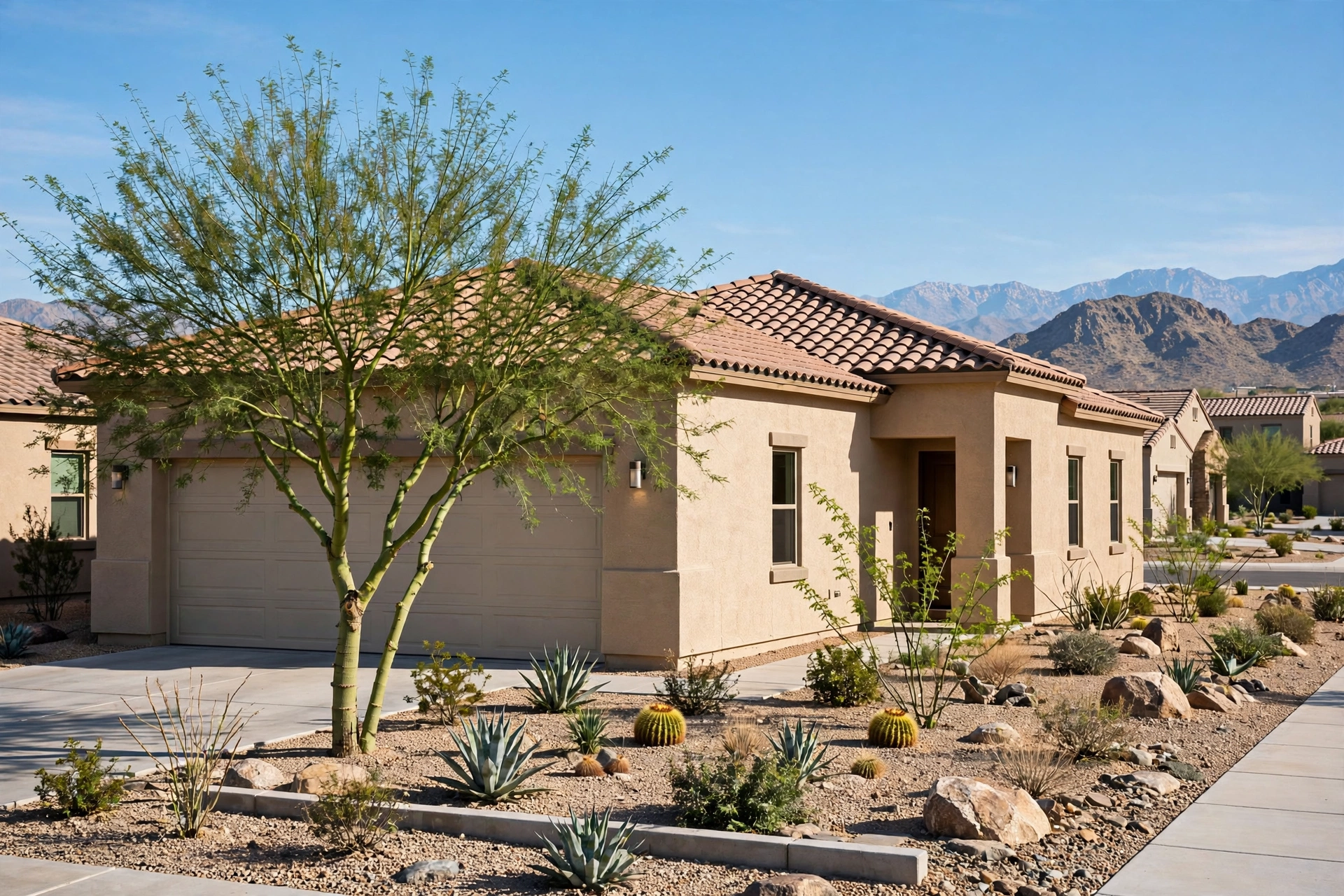
 Hot Water, Handled
Water Heater Repair in Glendale
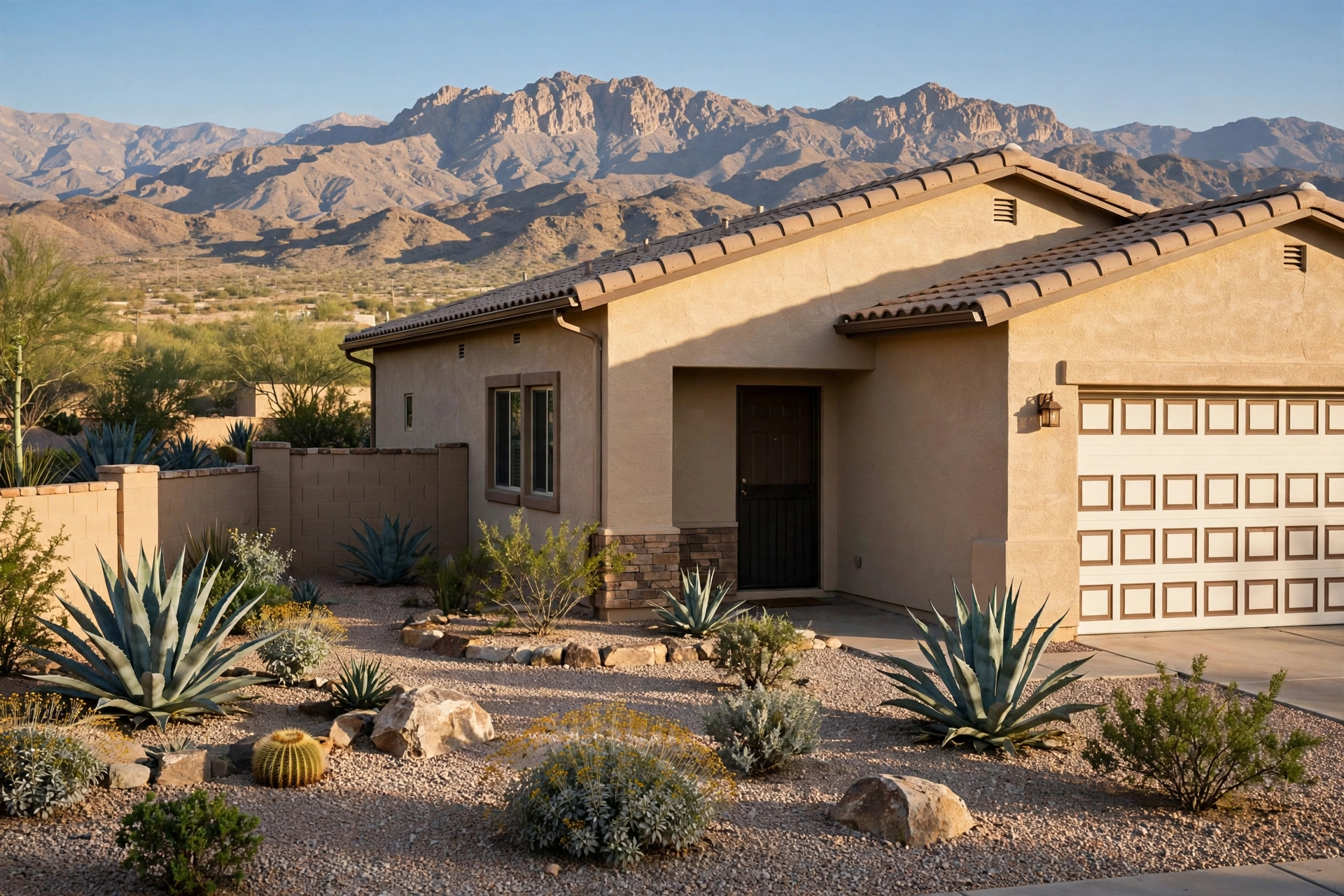
Glendale homes range from early 1900s bungalows near Catlin Court to 1980s and 1990s houses in Arrowhead Ranch, and each era puts different strain on a water heater. Hard Valley water leaves scale in tanks and tankless units, while summer garage heat adds wear from the outside. Desert Valley Water Heater Pros connects Glendale homeowners with independent local plumbing contractors for repair, replacement, installation, and maintenance. Request service through this site to describe the trouble and arrange a visit from a local contractor.