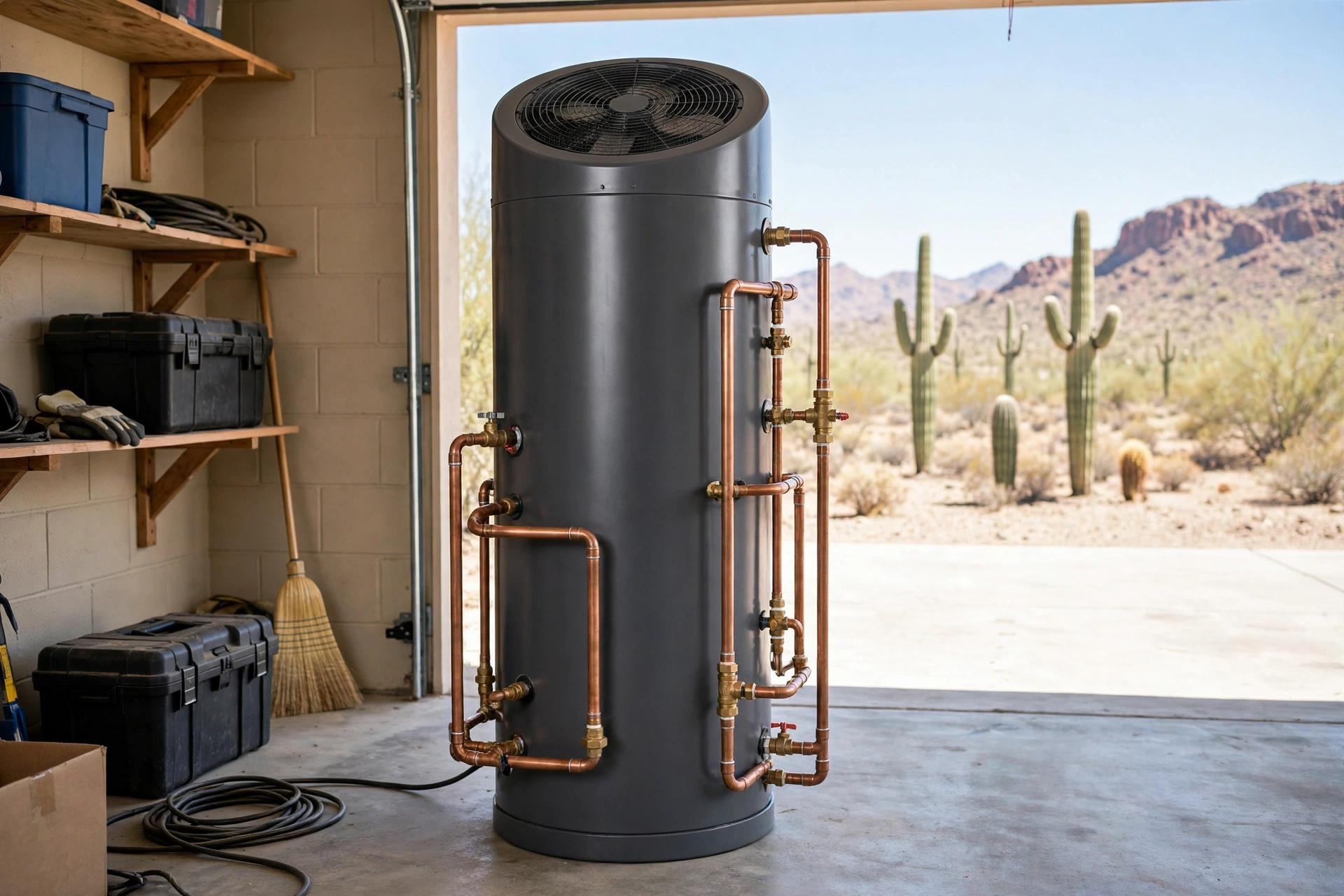
Heat Pump Water Heaters in Arizona Garages
A heat pump water heater pulls warmth from the air around it and moves that warmth into the tank, rather than ...
Learn moreLarge homes around Westwing Mountain, Sunrise Mountain, and the foothills north of Loop 303 share a morning frustration. The water heater sits in the garage, the primary shower sits at the far end of the house, and the pipe between them holds a long column of cooled water. Opening the tap sends that cooled water down the drain while hot water travels the full run. In Goodyear and Peoria homes with guest wings and far laundry rooms, that wait can stretch past a minute on a cool morning.
A recirculation pump shortens that wait by keeping hot water in motion. A small pump and a return path loop water from the heater to the far fixtures and back, so hot water stands ready when a tap opens. The idea sounds simple, yet the plumbing behind it varies widely. This post explains dedicated loops, crossover valves, and control styles for water heater installation and retrofit planning in large West Valley floor plans, plus the tank and tankless differences that shape each choice.
Wait time grows with pipe length and pipe volume. A long run to a far bathroom holds more water than a short run to a kitchen beside the garage, and that water cools toward garage and wall temperatures between uses. The first draw must clear the cooled column before hot water reaches the showerhead. Homes with bathrooms at opposite ends of the house feel this twice, since each end waits on its own run.
That wait wastes water with every draw, and it frays morning routines when showers, shaving, and kitchen cleanup stack together. The fix lies in moving hot water closer to the tap before it opens, or in shortening the cooled column the tap must clear. Recirculation, insulation, and fixture layout each play a part, and the right mix depends on the floor plan.
Describe the symptoms and request service anywhere in Peoria and the West Valley.
A dedicated return loop runs a separate pipe from the far end of the hot supply back to the heater, with a pump keeping water moving through the full circuit. Hot water never mingles with the cold supply, performance stays steady at every fixture on the loop, and the setup works with tank and tankless heaters alike. Dedicated loops suit new construction well, when walls stand open. A water heater replacement visit in an older large home sometimes opens a window to discuss a loop, though access through finished walls shapes what is practical.
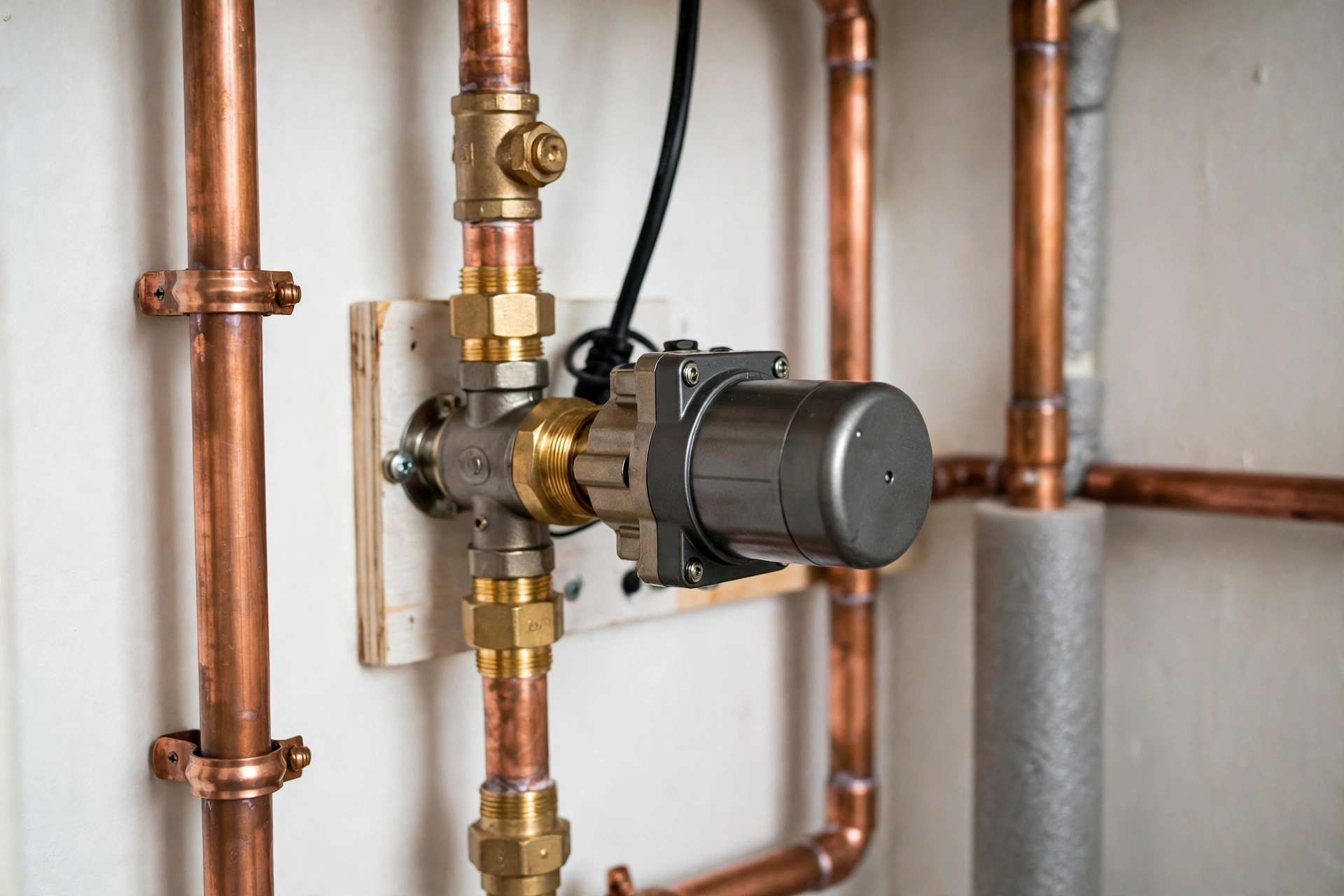
A retrofit crossover system uses the existing cold line as the return path. A thermostatic valve under the farthest sink bridges hot to cold, and a pump at the heater moves water through that bridge until hot water reaches the valve. No new return pipe runs through walls, which makes this approach popular in finished homes. The trade off involves the cold line, which can feel briefly warm at the far tap until fresh cold water clears the crossover water.
Tell us what your unit is doing and request service.
Controls decide when the pump runs, and that choice shapes energy use more than pump size does. Timer controls run the pump during programmed windows, such as early morning and evening, and rest during quiet hours. Thermostatic controls, often guided by an aquastat, cycle the pump based on loop temperature, holding the line within a set band rather than running blindly.
Demand controls run the pump only when asked. A push button at the fixture, a motion sensor in the bathroom, or a smart home trigger starts a short purge that primes the line just before use, then stops when hot water arrives. Demand systems use the least energy and avoid warming the cold line, though they ask the user to trigger the purge and wait a short spell. Households with irregular schedules, frequent travel, or a single far bathroom often favor demand operation.
Request service and get a straight answer about your unit.
Tank heaters pair naturally with recirculation, since a stored supply stands ready to feed the loop. The pump draws from the tank, pushes hot water through the supply and return, and returns cooled water for reheating. Insulating the loop matters here, since a bare loop sheds heat along its full length and forces longer heating cycles. A well insulated loop with sensible controls keeps waits short.
Tankless units need closer planning. A tankless heater fires only when flow crosses its activation point, so a recirculation loop must be matched to the unit with a buffer tank or a recirculation ready design, decided before the heater goes in rather than after. Flow activation, loop temperature, and descaling needs all enter the discussion. A tankless water heater installation or repair review should cover loop design, controls, and maintenance together, not as separate afterthoughts.
Do not wait for a small fault to flood the garage. Request service now.
Insulation turns a good loop into a steady one. Bare hot pipes in a hot garage lose less heat in summer than they do on a cool desert night, yet the loop still sheds warmth along attic and wall runs. Insulating the supply and return lines along their full length slows that loss and helps the pump hold temperature with fewer cycles. A contractor walking the attic and garage can spot bare sections, crushed insulation, and long exposed runs that deserve attention first. Sizing still matters alongside layout, and the post on sizing a water heater for a large household covers peak demand for busy homes.
Pump size deserves the same care as pipe size. A pump matched to loop heat loss moves water gently and steadily, while an oversized pump pushes water too fast and can wear copper pipe from the inside over time. Balancing, valve placement, and check valve function also shape whether every fixture on the loop receives hot water evenly. A layout review before any pump goes in prevents uneven waits.
Request service and talk through sizing, fuel type, and placement.
Read the guide, then describe your water heater problem and we will help arrange the next step.
The pump keeps hot water moving through a loop to the far fixtures and back to the heater, so hot water waits near the tap instead of cooling in a long pipe. Opening the tap then draws hot water at once, rather than clearing a full column of cooled water first. Controls decide how often the loop stays hot.
Yes, through a crossover valve system that uses the cold line as the return path. A thermostatic valve under the farthest fixture bridges hot to cold while the pump runs, then closes as hot water arrives. This retrofit suits finished homes, though the far cold tap may feel briefly warm after a cycle.
They can, with planning before the heater goes in. Tankless units need a buffer tank or a recirculation ready design matched to the loop, since the heater fires on flow rather than holding a stored supply. Loop design, controls, and descaling should be reviewed together during the heater discussion.
A dedicated loop should not, since hot and cold supplies stay separate. A crossover system can leave the far cold tap briefly warm, until fresh cold water clears the line. Demand controls limit that effect by running the pump only when asked, rather than holding the crossover open through the day.
Answers for large floor plans weighing loops, valves, controls, and heater pairings.
Request ServiceA heat pump water heater pulls warmth from the air around it and moves that warmth into the tank, rather than ...
Learn more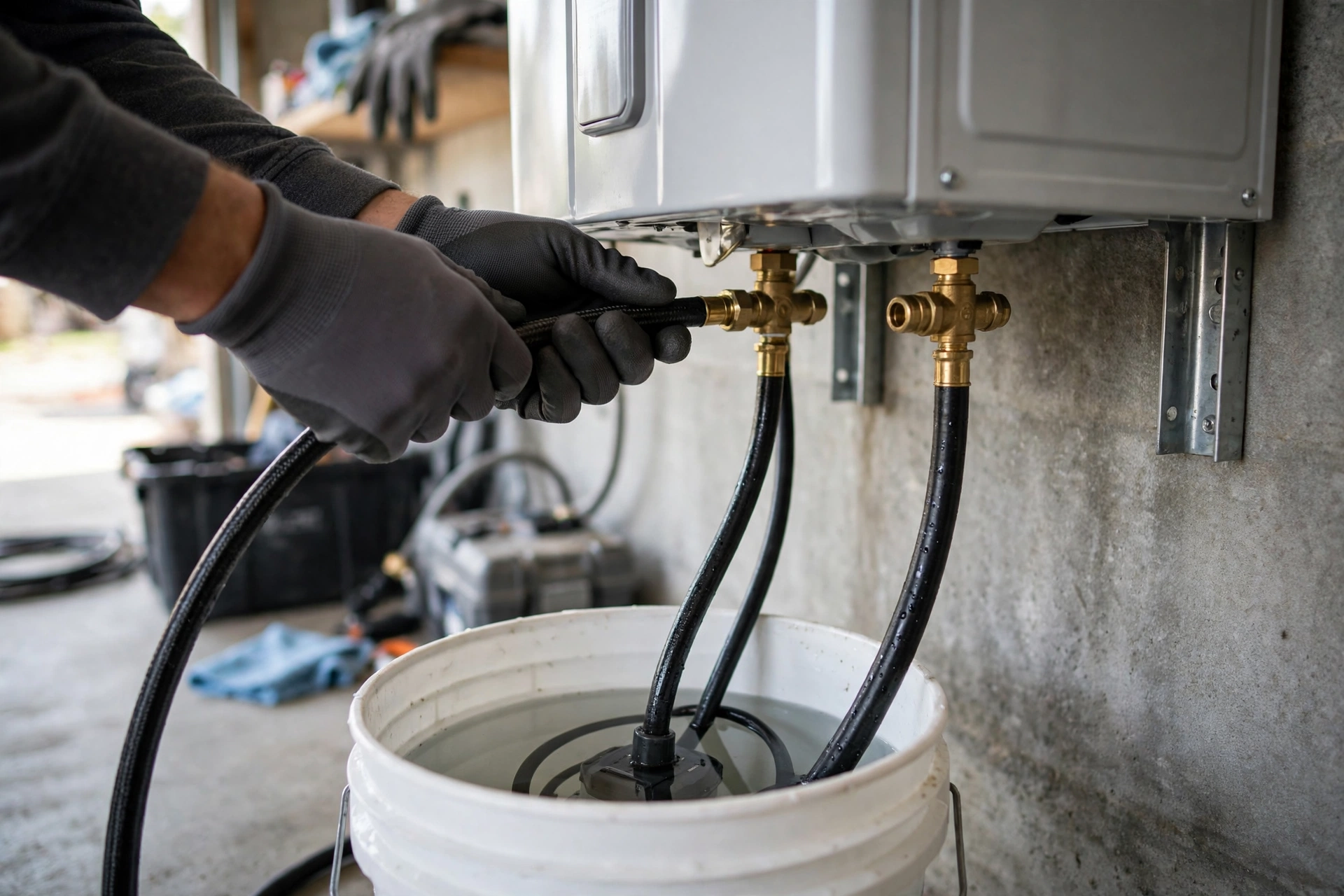
A tankless water heater heats water as it flows through a heat exchanger, and hard Peoria water leaves calcium...
Learn more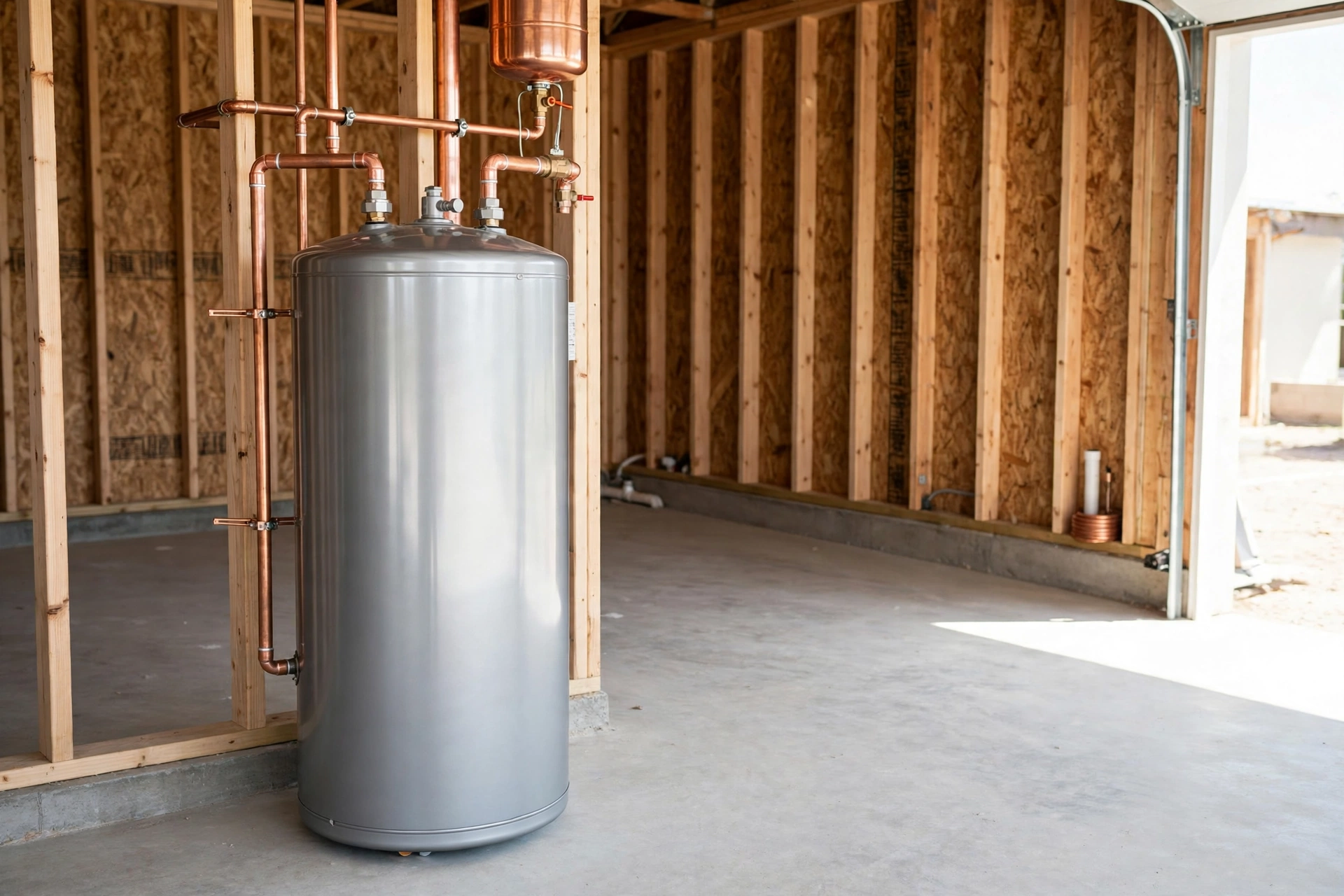
New homes in Vistancia usually arrive with a builder grade water heater sized for a typical household, not for...
Learn more