Smart Leak Detectors for Traveling Homeowners
Smart leak detectors watch for water where it should not be, using floor sensors, flow monitoring, or both, an...
Learn morePeoria counted about 190,985 residents in the 2020 census, and many households here run larger than the two resident pattern a standard tank assumes. Multigenerational homes near Arrowhead Towne Center, busy family streets off Happy Valley Road, and homes near the P83 Entertainment District often stack showers, laundry, and kitchen cleanup into the same morning hour. A tank that handles a quiet weekday can still leave the last shower lukewarm when everyone moves at once. That gap is usually a sizing gap, not a broken heater. Homes in Avondale and across the West Valley face the same morning crunch when routines overlap.
Sizing well means mapping the busiest hour honestly. Count the showers, count the laundry, and note whether the dishwasher, the tub, and the kitchen sink ever run at the same time. Then match that hour to a tank first hour rating or a tankless flow rate that fits local incoming water temperatures. This post explains that mapping for water heater installation planning in large Peoria households, with tank sizes, recovery differences, and tankless math in plain language.
Headcount misleads because routines matter more than residents. Four people who shower at different times use hot water very differently from four people who shower within the same hour before work and school. Peak hour demand adds up every hot draw in the busiest single hour, usually the morning rush or the dinner and cleanup block. That total sets the sizing target.
A useful exercise lists the draws that often overlap. Three showers running near the same time, plus shaving, hand washing, and a washing machine tapping hot water, can push peak demand toward 80 to 90 gallons of total draw in an hour. A 50 gallon tank with a modest first hour rating may fall short in that hour, while a larger tank or a tankless unit sized for simultaneous flow handles it with headroom.
Describe the symptoms and request service anywhere in Peoria and the West Valley.
First hour rating measures how many gallons of hot water a storage heater can deliver in one hour, starting with a full tank at its set temperature. It combines usable stored water, often around 70 percent of tank volume before incoming cold water cools the mix, with the recovery rate, which is how much water the burner or elements can heat in that hour. The rating appears on the yellow EnergyGuide label on a new unit. Comparing that number with peak hour demand gives a far clearer sizing picture than tank gallons alone.
Fuel type moves the rating sharply. Gas burners recover faster than electric elements, so a gas tank usually posts a higher first hour rating than an electric tank of the same size. A 50 gallon gas unit often delivers a first hour rating near 75 to 95 gallons, while a 50 gallon electric unit often lands near 55 to 62 gallons. That gap explains why electric households frequently need a larger tank than gas households with the same routines. Links to gas water heater repair and electric water heater repair help owners compare upkeep for each fuel type.
Tell us what your unit is doing and request service.
Residential tanks commonly come in 30, 40, 50, 65, 75, and 80 gallon sizes, with 50 gallons serving many three to four person homes. Households of five or more, or homes with large soaking tubs, often need 65 to 80 gallons to cover the morning peak without a lukewarm finish. A 40 gallon tank suits one or two residents with modest fixtures, but it strains quickly when a third shower joins the morning.
Oversizing brings its own drag. A tank far larger than peak demand holds extra hot water through the day and cycles on to hold temperature, adding standby heat loss without improving showers. The aim sits near peak demand, with modest headroom for guests and growth, rather than far above it.
Request service and get a straight answer about your unit.
Tankless sizing starts with simultaneous flow, not storage. The unit must deliver enough gallons per minute at the temperature rise the home needs, raising incoming water to 120 degrees at the tap. Warm Valley incoming water eases that rise for much of the year, since groundwater here runs warmer than in cold climates, though winter mornings still ask for a larger rise. The rating chart matters more than the headline flow number.
Simultaneous use sets the flow target. Two showers plus a sink draw far less than two showers plus a washing machine and a dishwasher running together. Large households should map the heaviest simultaneous minute, not the average minute, and match the unit to that minute at a winter temperature rise. A tankless water heater installation or repair discussion should include descaling plans as well, since hard Valley water leaves scale in the heat exchanger without steady flushing.
Do not wait for a small fault to flood the garage. Request service now.
Soaking tubs deserve separate math. A large tub can swallow most of a tank in one fill, leaving little for the next shower. Households with a deep tub, a multi head shower, or a jetted bath should size for the tub fill plus the next draw, not for showers alone. Guest patterns add a second layer. Holiday visits, summer grandchildren, and a parent moving in can lift peak demand for weeks at a time. Long pipe runs add wait time on top of sizing, and the post on recirculation pumps for large West Valley homes explains loop options for far bathrooms.
Future needs close the sizing picture. A planned bathroom addition, a casita, a laundry move, or a shift to working from home can change peak demand within a year or two. Garage space, venting, and electrical capacity shape which larger options fit without major rework. The right size for a large household is the size that covers the busiest hour with a little room to breathe.
Request service and talk through sizing, fuel type, and placement.
Read the guide, then describe your water heater problem and we will help arrange the next step.
First hour rating shows how many gallons of hot water a storage heater can deliver in one hour, starting with a full heated tank. It combines usable stored water with recovery during that hour. The number appears on the yellow EnergyGuide label and matters more than tank gallons alone for sizing.
List every hot draw in the busiest single hour, usually the morning rush. Add showers, hand washing, shaving, laundry, dishwashing, and any tub fill that overlaps that hour. Match the total to a first hour rating for a tank, or to a flow rate at temperature rise for a tankless unit.
Not always. A tank far larger than peak demand holds extra hot water and cycles to hold temperature, adding standby heat loss without improving showers. The aim sits near peak demand with modest headroom for guests and growth. Recovery speed and fixture patterns matter as much as tank gallons.
Tankless sizing uses flow rate in gallons per minute at a given temperature rise, rather than stored gallons. The unit must meet simultaneous draws while raising incoming water to the set temperature. Winter incoming temperatures ask for a larger rise, so the rating at a winter rise gives the honest sizing picture.
Answers for busy households mapping peak demand, tank ratings, and tankless flow rates.
Request ServiceSmart leak detectors watch for water where it should not be, using floor sensors, flow monitoring, or both, an...
Learn more
Older Sun City water heaters usually warn owners before they fail, through rust tinted hot water, popping soun...
Learn more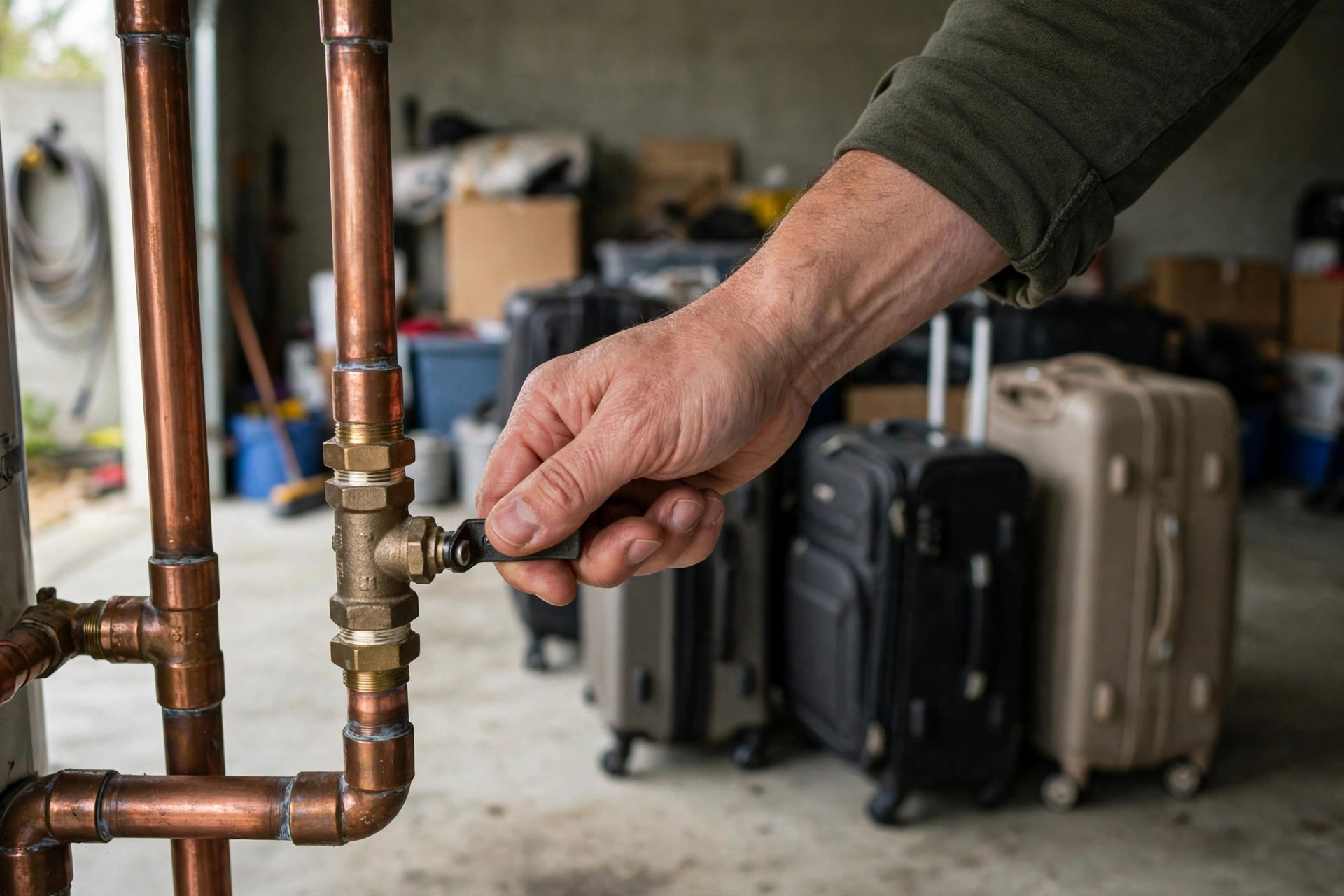
Snowbirds leaving Peoria for the summer face a simple choice with real consequences: leave the water heater ru...
Learn more